

1. Forge of Empires
Our top pick for the second year running. A city-builder with more game in it than most things on Steam.
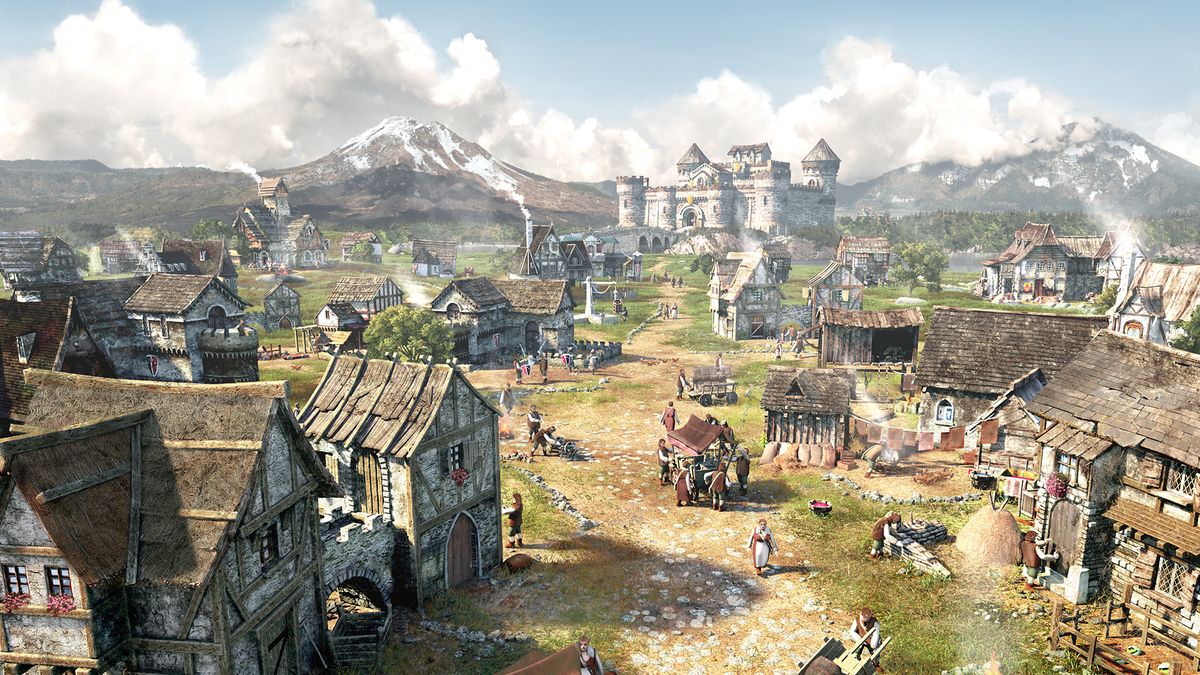
I'll be honest: I expected Forge of Empires to feel dated. It launched in 2012, it runs in a browser tab, and the tutorial has that "click here, now click here" rhythm that a hundred free-to-play games share. Forty hours later my Iron Age city had turned into a Late Middle Ages one, I was coordinating Guild Expedition runs with people in three time zones, and I'd stopped noticing the browser at all.
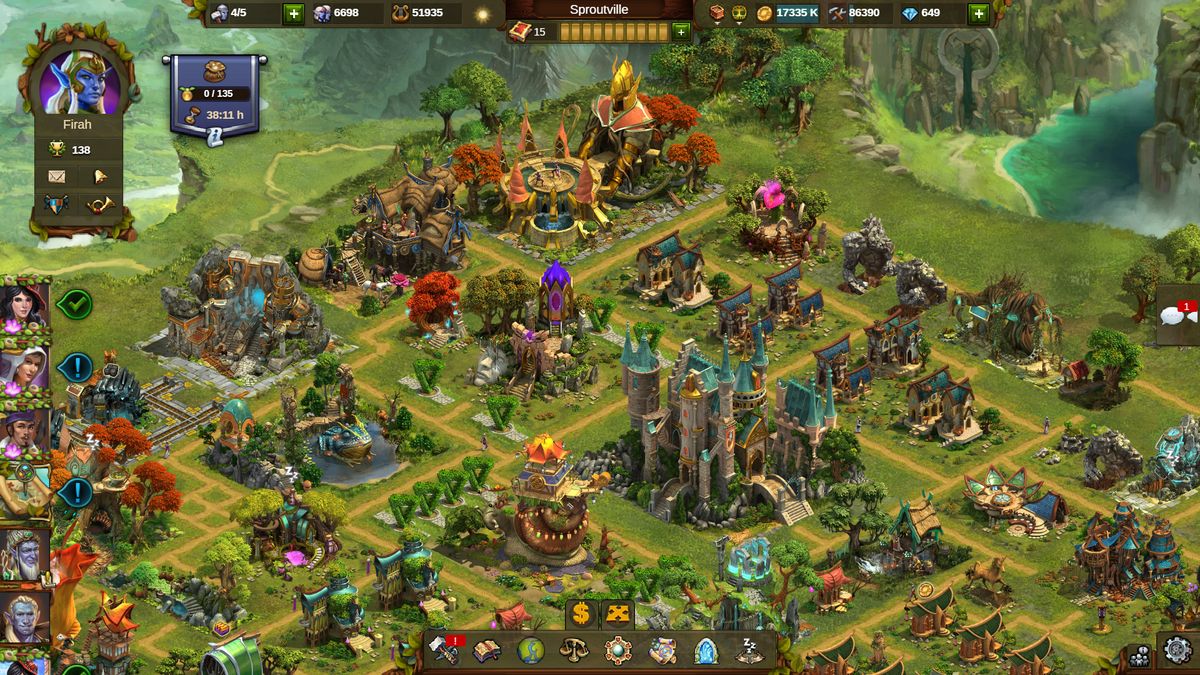
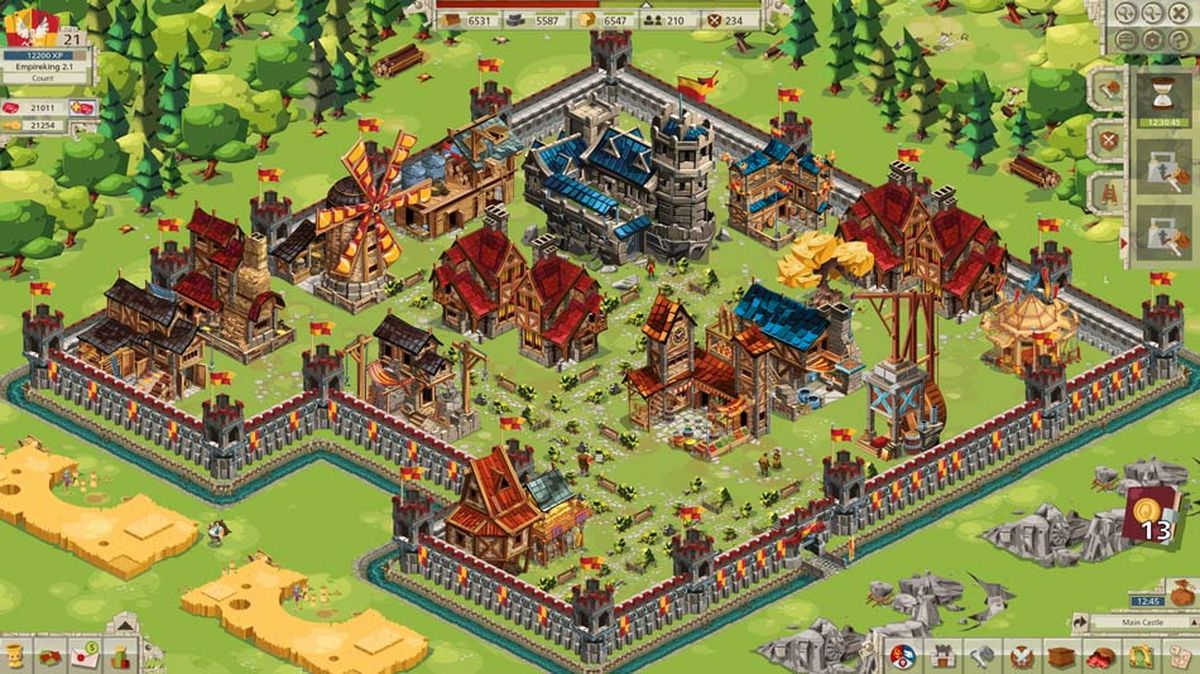
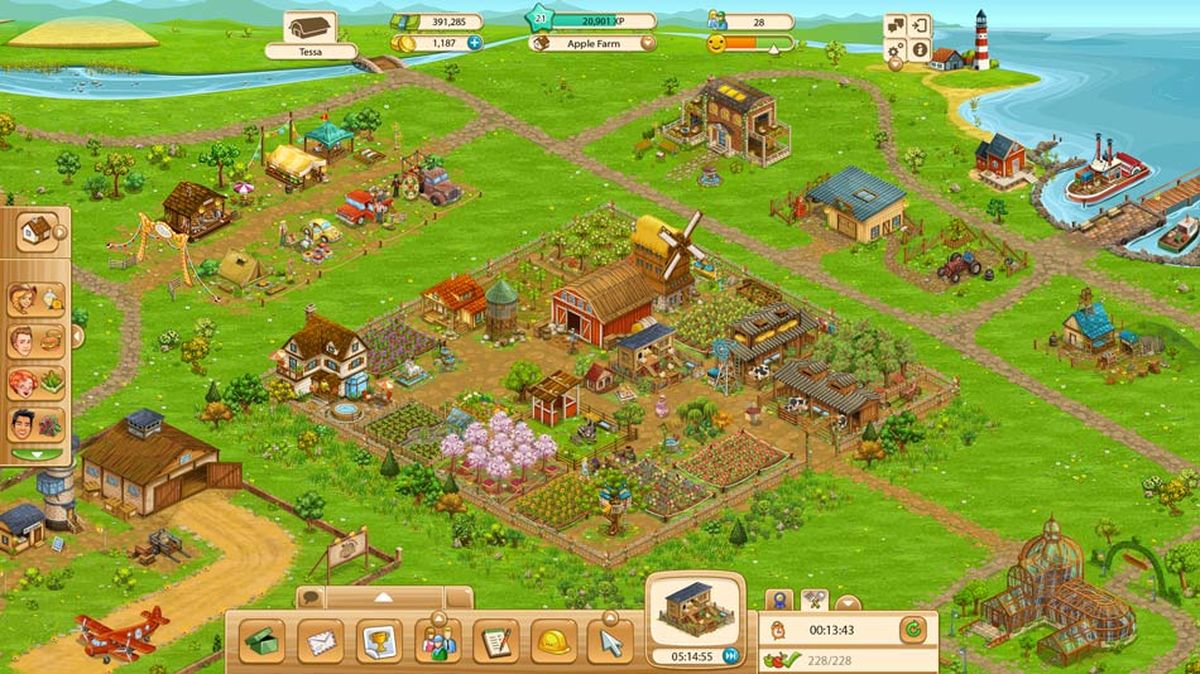
The core loop is simple. You place buildings on a grid, research technologies, collect coins and supplies, and trade or fight for the goods each age needs. What makes it stick is that every system feeds another one. Great Buildings need goods, goods need trade partners, trade partners come from your guild, and your guild wants you to show up for the weekly expedition. There is always a next thing, and it's usually a thing you chose.
What it's like to play
Combat is where Forge quietly beats its competitors. Battles happen on a small hex map with up to eight units per side, and the first few feel like a formality. Around the Colonial Age they stop being one: terrain matters, unit counters matter, and the order you move in matters more than the size of your army. It never becomes a full tactics game, but it's enough to make a fight worth watching.
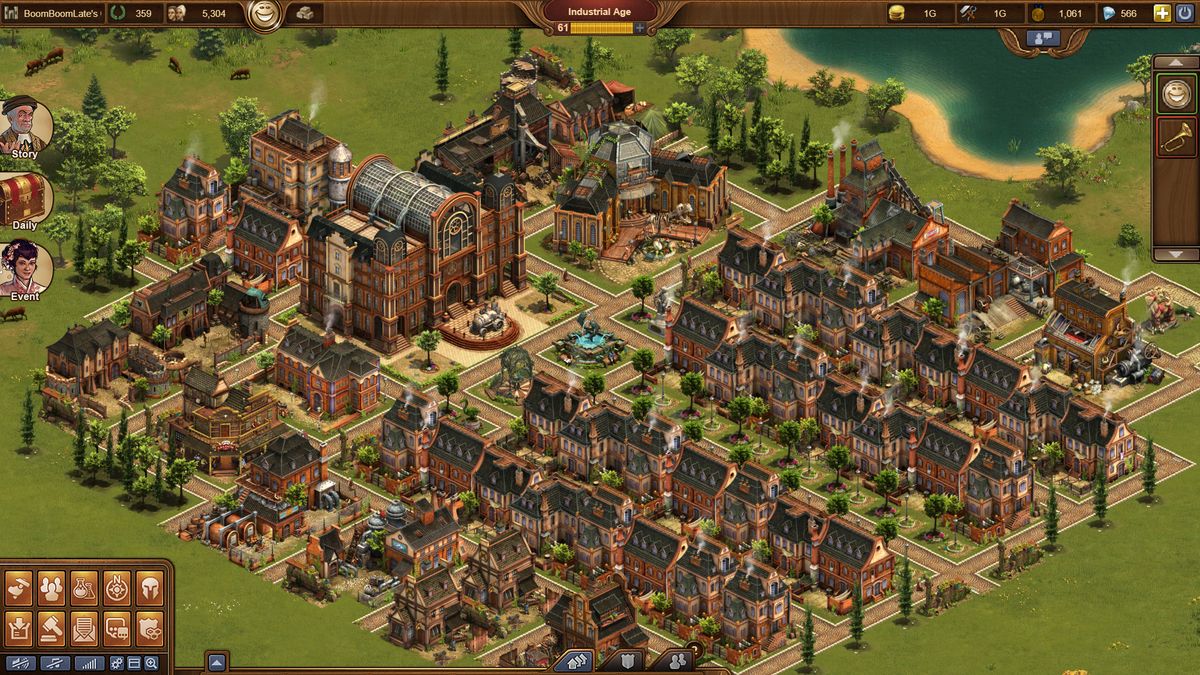
Pace is the main knock. The first week is generous; the ages after that slow down noticeably, and the game starts nudging you toward diamonds, the premium currency, for expansions and speed-ups. You can absolutely ignore it. We did for the whole review, and progress was steady rather than painful. But "steady" here means weeks per age, not days, and anyone who wants to see the futuristic eras will need patience or a wallet.
Events run almost constantly and each has a paid tier. Most are fun and the free rewards are decent; the problem is that they overlap, and the game's notification system makes sure you know it. Turn those off in settings on day one.
What we liked
- A progression arc measured in months, not days
- Battles that reward thinking once you're past the early ages
- One account across browser, phone and tablet
- Guilds that do things together every week
- Still runs well in a tab next to work
What we didn't
- Mid-game slowdown from the Late Middle Ages on
- Overlapping events with a paid tier each
- City space is tight; expansions get expensive
Verdict: if you want one browser game to check in on every day for the next six months, this is it. Join a guild in week one, mute the event notifications, and don't buy expansions with diamonds until you've read a guide.